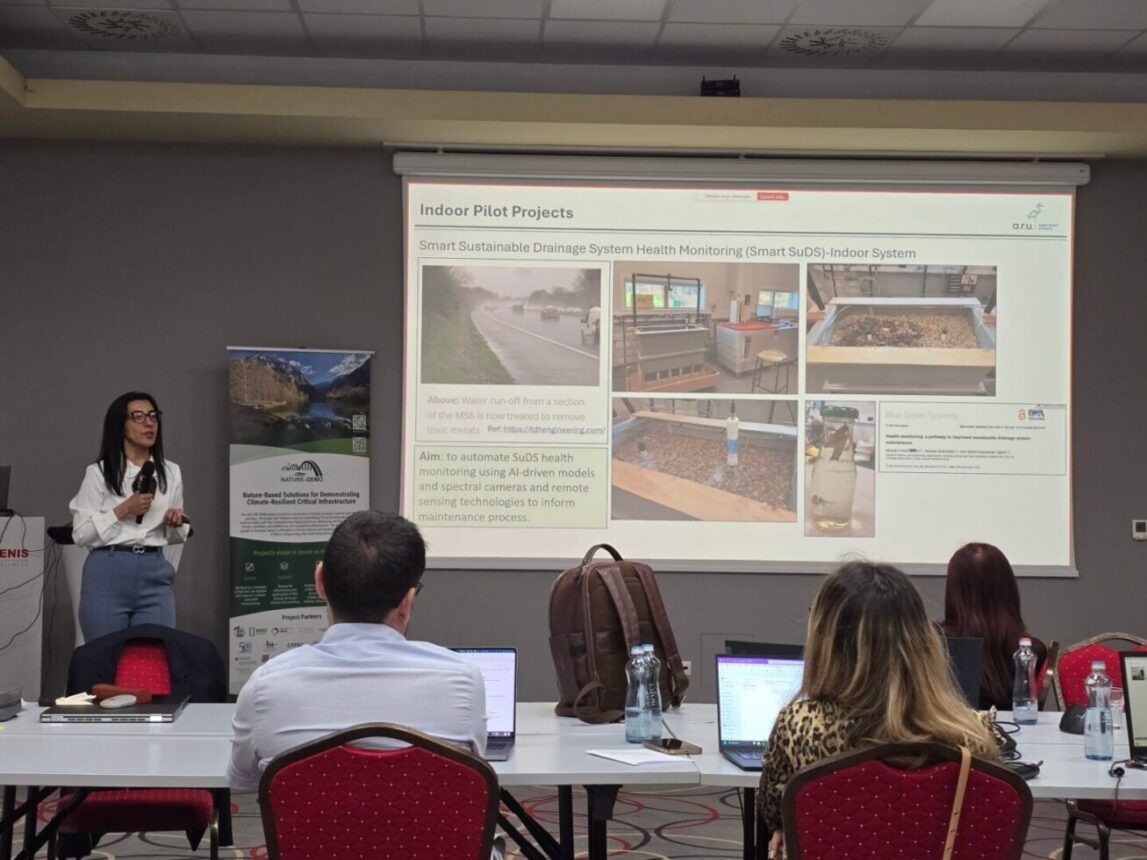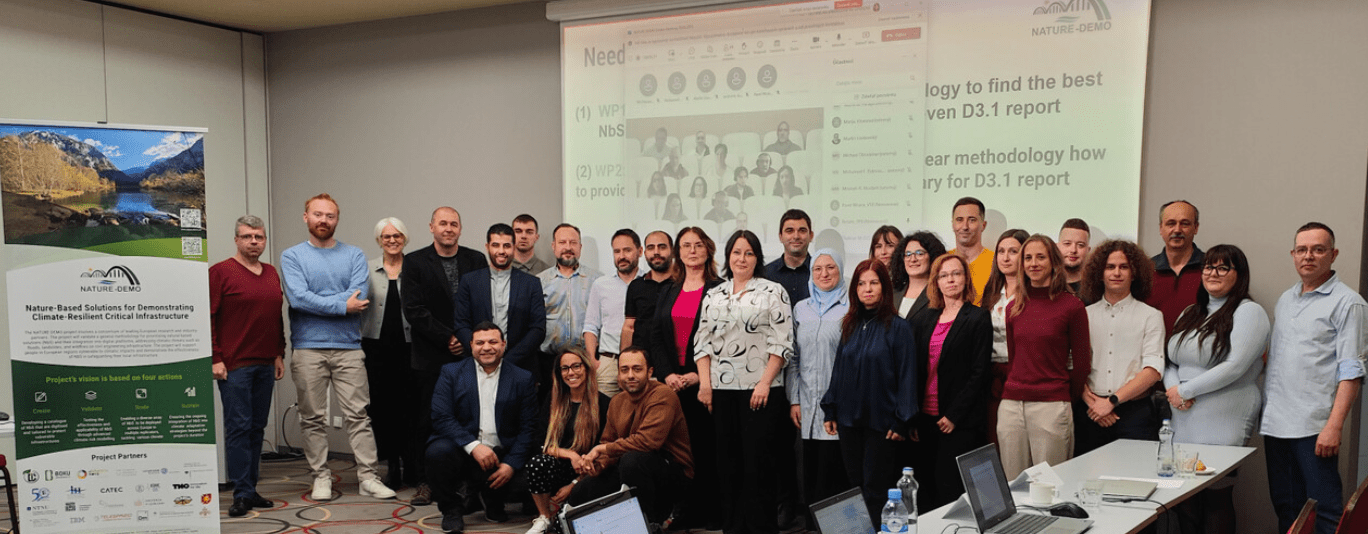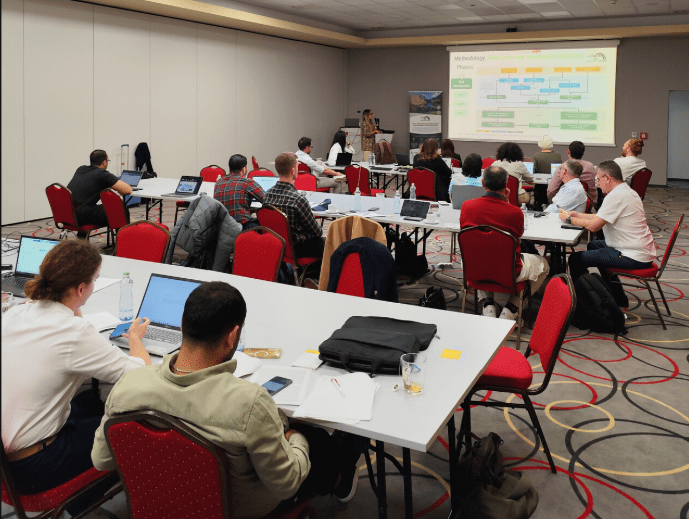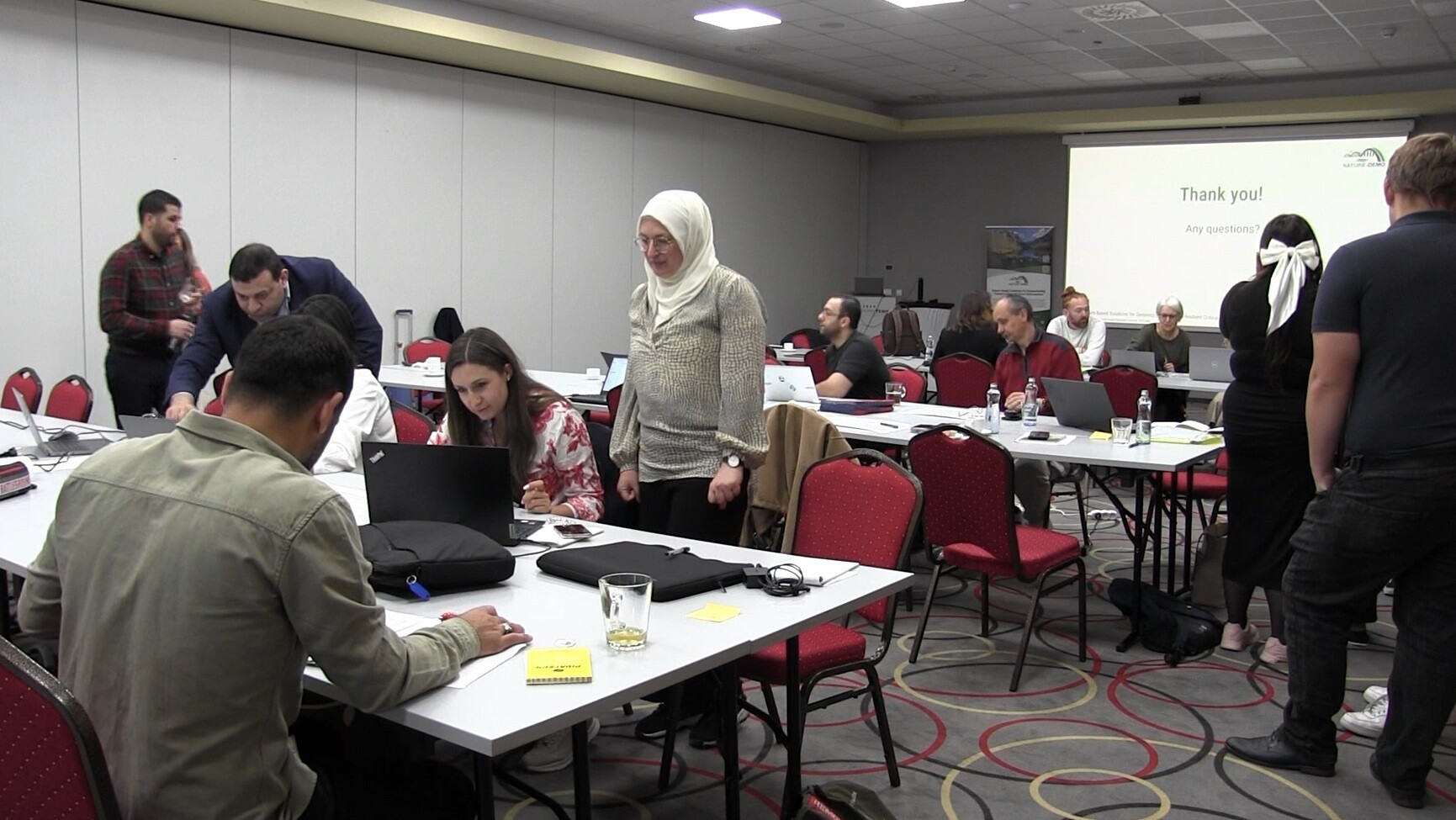
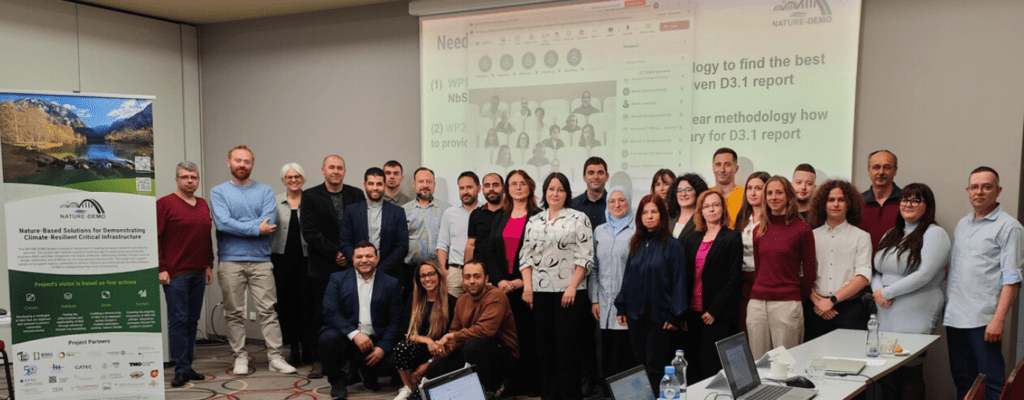
From 20–22 May 2025, DigInnoCent s.r.o., coordinator of the Horizon Europe NATURE-DEMO project, led the consortium meeting hosted by the Technical University in Zvolen (TUZVO), Slovakia. The event brought together project partners, members of the Advisory Board and invited stakeholders to review progress, strengthen collaboration and prepare for the next stage of project implementation.
NATURE-DEMO is developing innovative nature-based solutions (NbS) that help protect critical infrastructure against climate-related hazards, including floods, landslides, wildfires and extreme heat. Through scientific research, digital technologies and demonstration activities across Europe, the project supports more resilient and sustainable infrastructure planning.
Coordinating Progress Across the Project
During the meeting, DigInnoCent coordinated technical discussions covering all major work packages and ensured alignment between scientific development, digital innovation and demonstration site implementation.
Advancing Nature-Based Solutions
Partners reviewed progress in developing the project’s comprehensive catalogue of nature-based solutions, comprising 59 detailed factsheets and a hazard-matrix tool. Discussions also focused on integrating these solutions into the NATURE-DEMO Digital Support Platform and advancing a multi-criteria decision-making framework that will support infrastructure managers in selecting appropriate adaptation measures.
Developing Digital Decision-Support Tools
The consortium presented significant progress in developing quantitative risk assessment models and AI-supported tools for hazard prediction. Work continues on integrating climate indicators, exposure assessment and risk analysis into the project’s Digital Support Platform, providing decision-makers with robust, evidence-based planning tools.
Demonstration Sites Across Europe
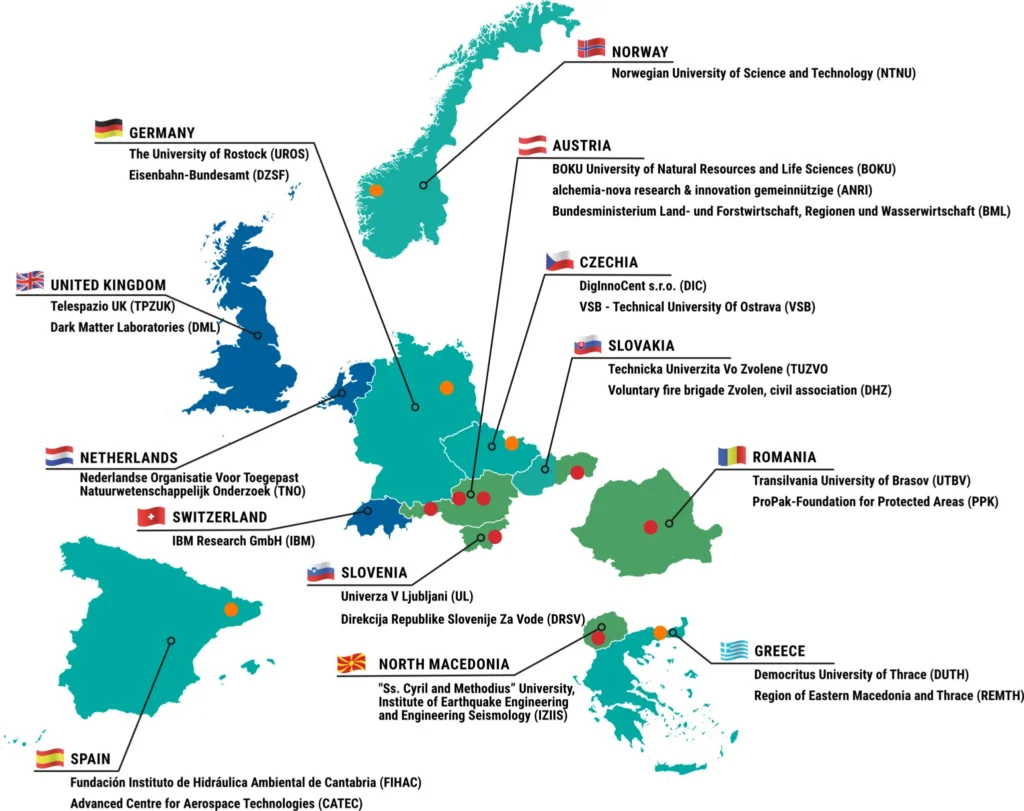
Updates from demonstration sites in Austria, Romania, Slovenia, Slovakia and North Macedonia confirmed steady progress towards implementation.
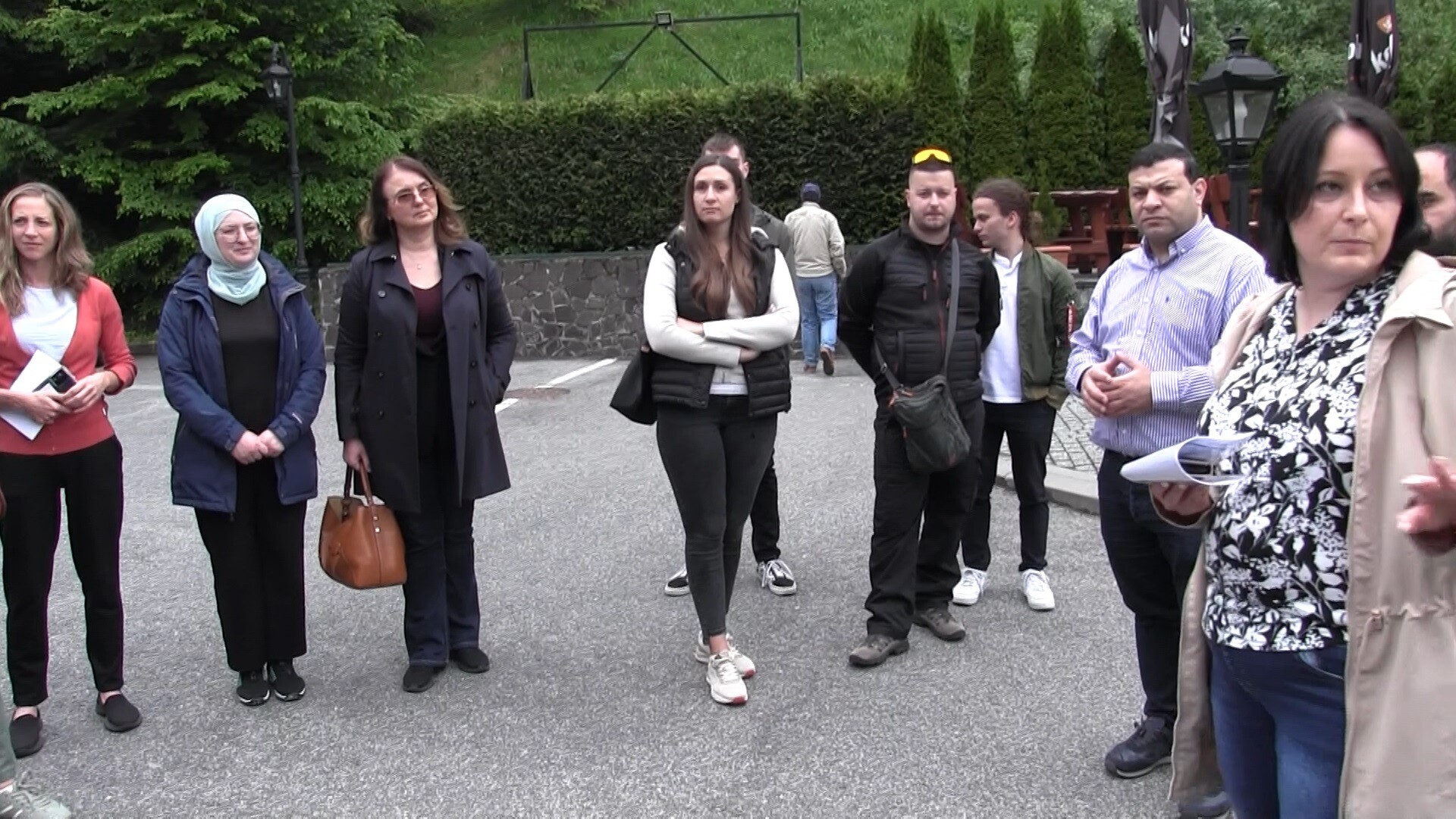
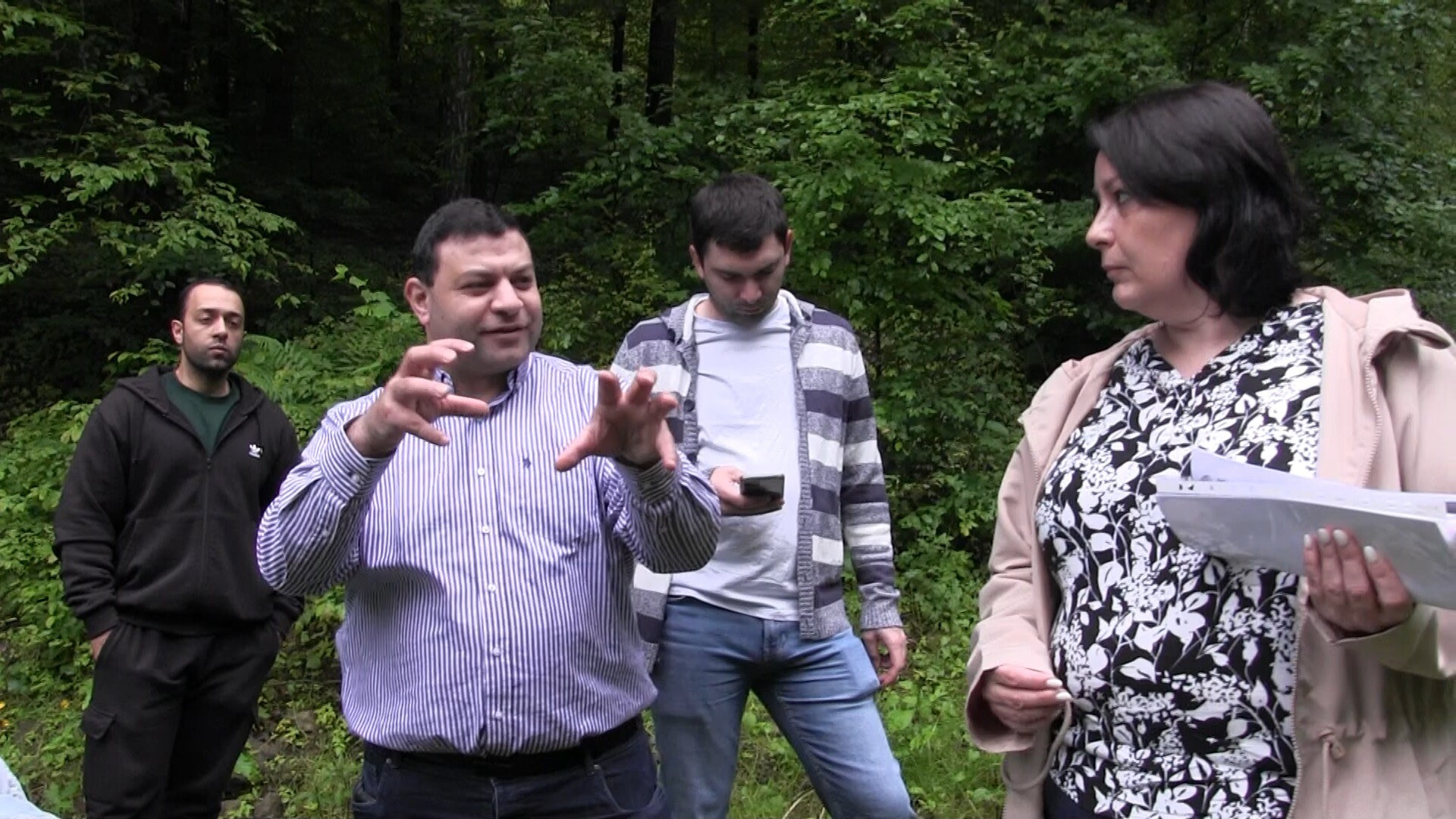
Particular attention was given to the Zvolen demonstration site, where nature-based measures addressing wildfire, landslide and flash flood risks are being integrated with existing infrastructure, including vegetative buffers and slope stabilisation systems.
Strengthening Stakeholder Engagement
DigInnoCent also reviewed progress in dissemination and stakeholder engagement activities. To date, the project has identified and engaged more than 600 stakeholders across 13 European countries while expanding digital communication activities and promoting inclusive, gender-sensitive engagement approaches.
These activities ensure that project results are communicated effectively to public authorities, infrastructure managers, researchers and local communities.
Effective Project Coordination
The meeting also reviewed project management activities, including the implementation of a digital project management environment and a shared risk register designed to improve coordination, monitor project risks and support timely delivery of project objectives.
Collaborative Workshops and Site Visit
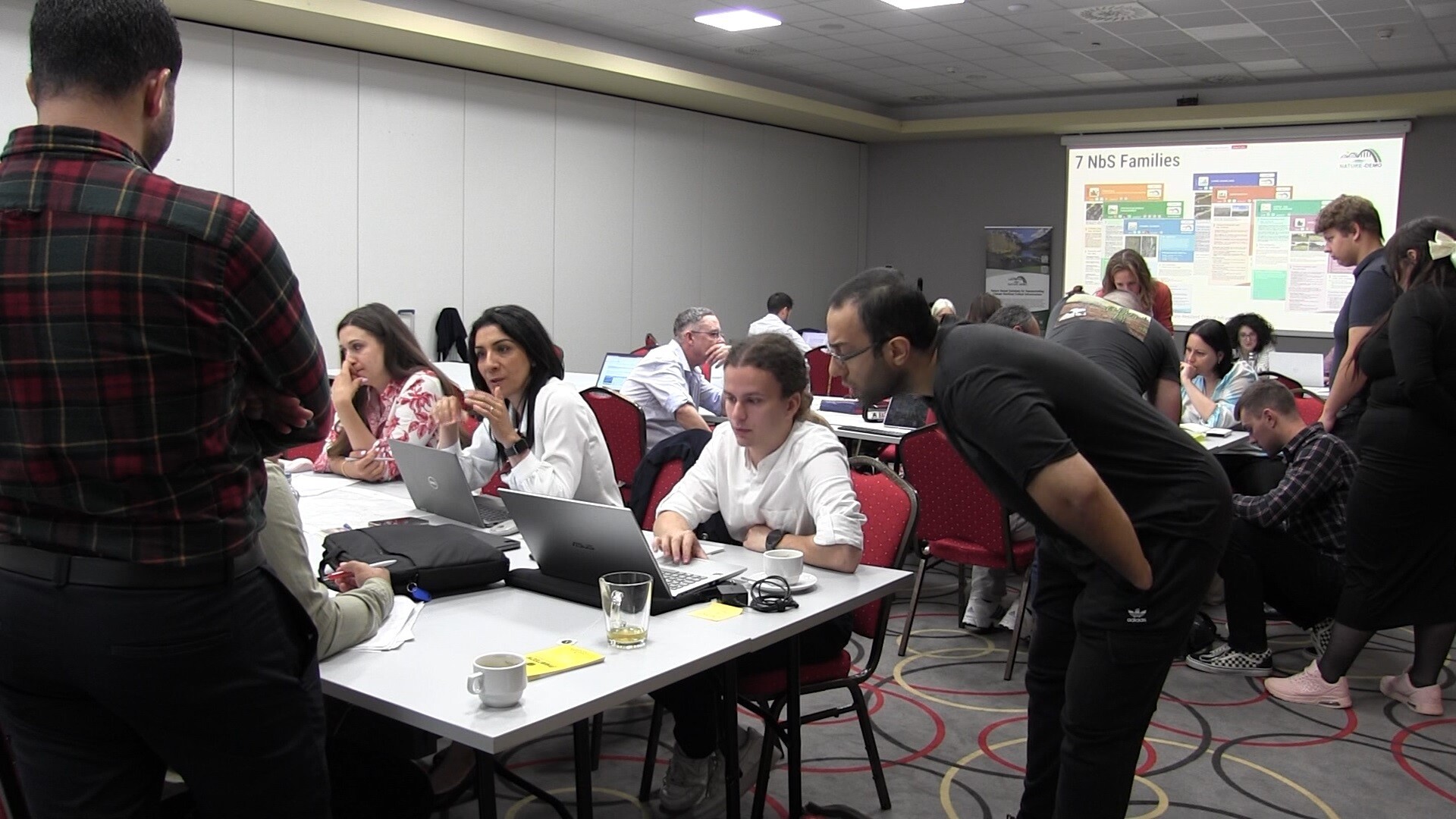
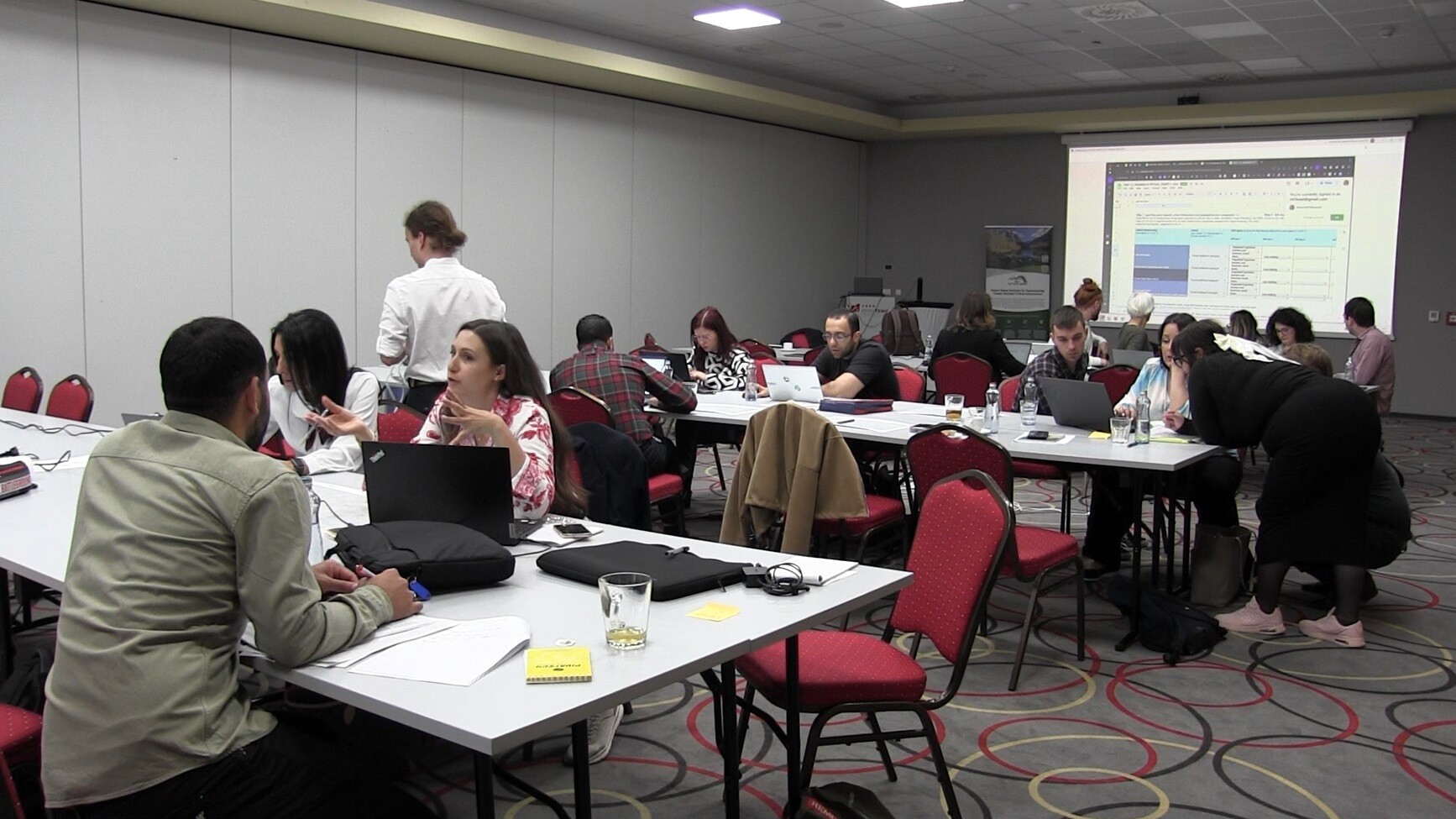
The second day of the meeting was dedicated to technical workshops involving partners from the scientific and technical work packages. These sessions enabled participants to harmonise methodologies, resolve technical challenges and coordinate future integration activities across demonstration sites.
The consortium also benefited from valuable strategic guidance provided by the Advisory Board, whose recommendations reinforced the importance of cross-work-package collaboration, stakeholder-focused communication and effective knowledge transfer.
On the final day, participants visited the Zvolen demonstration site, gaining first-hand insight into local environmental conditions and the nature-based measures that will be monitored throughout the project.
Looking Ahead
The Zvolen consortium meeting marked another important milestone for NATURE-DEMO as the project continues its transition from research and planning towards practical implementation.
As project coordinator, DigInnoCent remains committed to ensuring effective collaboration across the consortium, supporting scientific excellence, and delivering innovative nature-based solutions that strengthen climate resilience while generating long-term environmental and societal benefits across Europe.